Save the date: Dec. 6-9, 2026
Learning Forward's Annual Conference
Unite for Learning
Dallas, TX | #learnfwd26
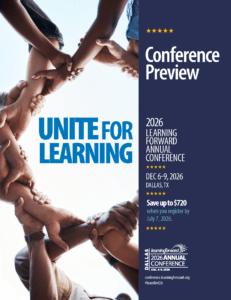
The 2026 Unite for Learning conference preview is here. Inside, you will find the full preconference session lineup featuring 19 hands-on sessions with some of the field’s most respected thought leaders; keynotes from George Couros, Haesun Moon, and Joe Sanfelippo; and everything you need to plan your experience this December. Browse the agenda, explore sessions built around your role and your goals, and register by July 7 to save up to $720. Concurrent session selection opens in early July, so register now to secure your spot.
Subscribe here to be notified first before they fill up.
Keynotes

George Couros
Forward, Together: Moving Schools from Conflict to Community How can we lead changes that improve learning for students when change is hard and momentum is stuck? In this keynote, George […]

Haesun Moon
The Habit of Better: Dialogic Intelligence for Schools That Learn Together Dialogic Intelligence is a way of seeing, naming, and building the small moves that turn everyday talk into visible […]

Joe Sanfelippo
Lead From Who You Are Reconsider what it means to lead when pressure, pace, and expectations pull you away from the leader you know you are in this keynote with […]
A focus on deep learning that changes practice
At Learning Forward, we go beyond the usual lectures and anecdotes of typical professional development conferences with in-session engagement strategies that are focused on deep and meaningful learning that is evidence-supported and proven to change practice.
We set the bar high for our presenters. They know they Learning Forward is not the typical conference. They know they are presenting for the organization that wrote the Standards for Professional Learning. They know that our attendees lead professional learning back in their schools and systems, so they cannot waste time with sessions that are not evidence-backed solutions with proven strategies.


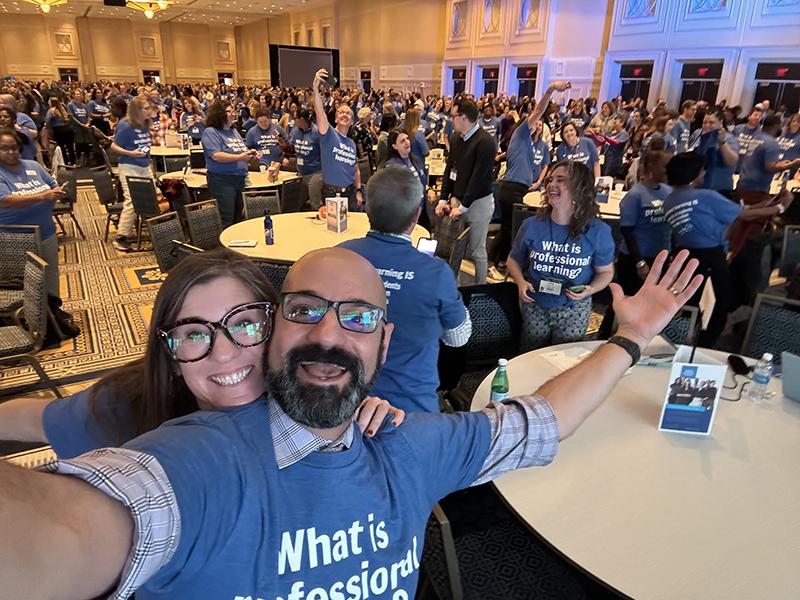


Attendees are writing about their conference experience!



Who attends
- Central office administrators
- Superintendents
- Policymakers and decision makers
- Teacher leaders/Coaches
- School-based teams
- Principals/Assistant principals
- Technical assistance providers
Learning Forward's conference is different
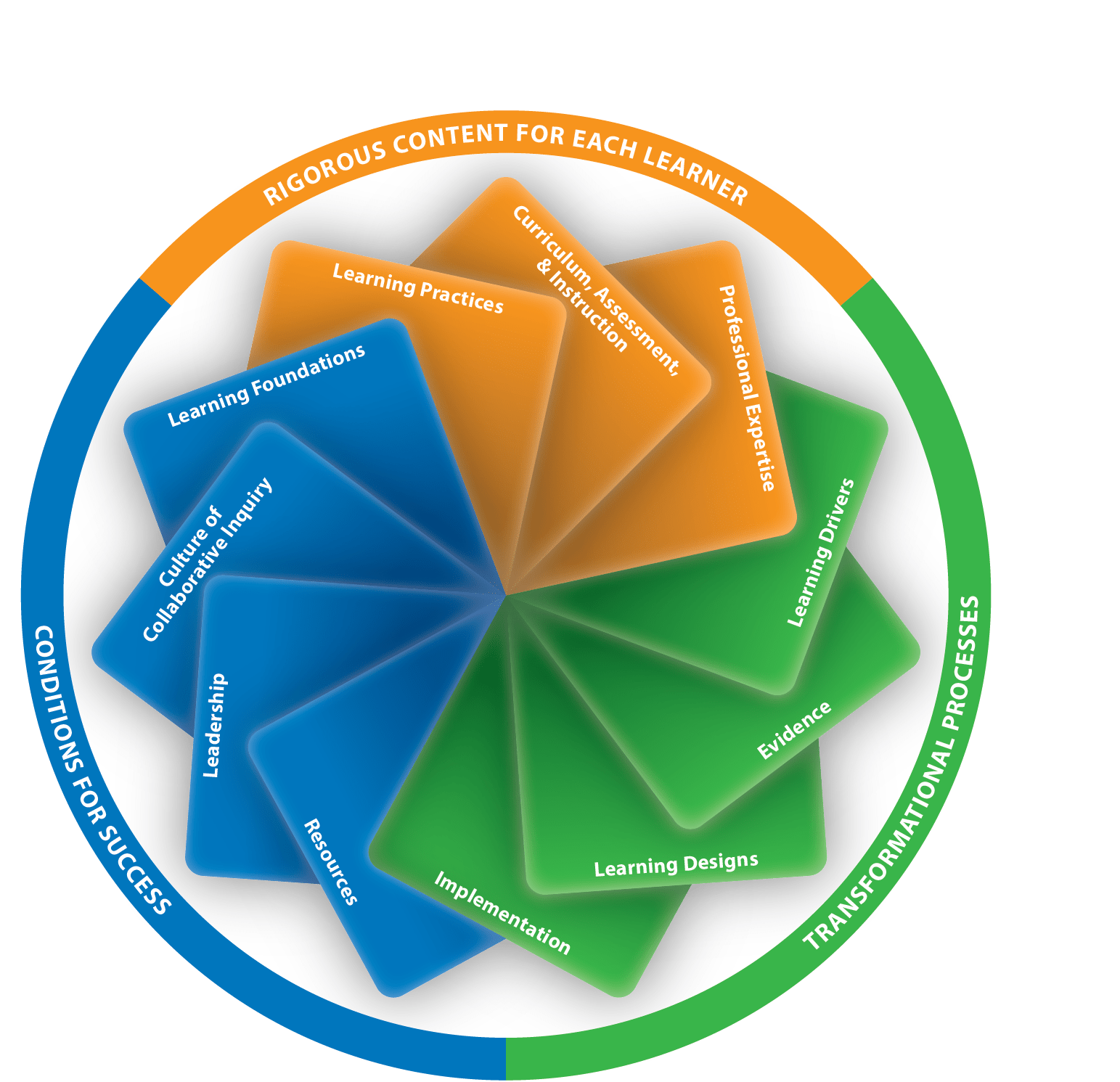
Aligned to the Standards for Professional Learning
The Standards for Professional Learning offer educators the latest knowledge and insights to design, implement, and sustain high-quality professional learning. Standards lead to environments in which all educators and students have access to powerful learning.
Sessions model best practices
Presenters use engaging learning and facilitation strategies that promote active participation and interaction among attendees.
All voices are heard and valued
This includes creating an inclusive and supportive learning environment where diverse perspectives are respected and considered.
Time for deep learning and constructive interruptions
Presenters build in time for deeper engagement that promotes active learning.
Evidence of impact
Sessions must have evidence of impact that leads to improved student outcomes.
Results for students, not trends and gizmos
Did you know that we do not have an exhibit hall? Our attendees made it clear that they would rather spend their time on deep learning. Instead, we offer a limited number of sponsorship opportunities so that you get more personal access with the top minds of the field.
Tired of racing to your next session?
Can I use Title II-A funds to pay for the conference?
- Are you a teacher, paraprofessional, school-based librarian, school counselor, or school administrator?
- Can you show that the content you will gain aligns to or is part of a broader professional learning plan?
- Can you show that you will either learn collaboratively while at the conference (because you are part of a team of attendees) or that you will share what you have learned with colleagues when you return to your school?
If you answered yes to these three questions, your district could approve the use of Title II-A funds to support attendance at the conference.
